Honey testing conclusions. After several days of making 11x14 ambrotypes then test storing them before the final wash using various dilutions of honey. I think I have found my answers.
When I mixed my honey 2 and 3 parts water to 1 part honey the plates dried out. The honey content was too low. When I tried to do a final wash on the plates the collodion emulsion separated from the glass and was destroyed.
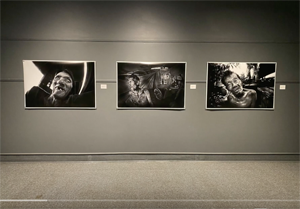
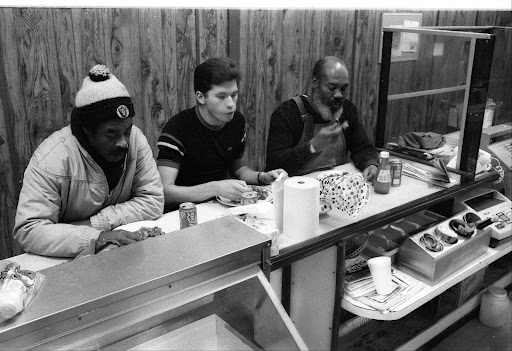
I upped the honey content in my dilution. First I did 1-1 honey and water then I did 2 parts honey to 1 part water. That last dilution seemed to work well. After 3 days drying, the plate was wet at first then sort of a glossy dry took over. After soaking in water for over 24 hours the emulsion did not lift off. I followed with a 2 hour wash and dry and the plates seemed normal (see photo). It was as if i never covered it with honey.
I will use a 2 parts honey to 1 part water dilution. If I mix 300 ml honey with 150mls of water that should make enough COATER to cover 3-4 11x14 inch plates.
I believe honey will be cheaper for me than glycogen to buy and use. Also kinda like the old school part of it. A bit messy to use but this should work.
Note* An online Facebook friend told me honey cost $20 USD a litre in the UK. $7.33 CAD in Canada and $20 USD in thee UK. Wow, that is a substantial difference. His price makes no honey buying sense. For him glycerine and honey are about the same cost, so you got to go with thee easier to use glycerine. For me thou the cheaper Alberta price for honey, makes it the more economic choice. Honey will be especially beneficial when I am working with very large plates (24x24 inches and larger) in far of locations where I must do the final wash a day or 2 later at another location. Honey could be a project saver for me.
 |
| The dried platee after honey coating and final wash |
 |
| Glycerine |
 |
| The cheapest price I can find honey hear, $733 CAD per litre |