Was thinking of a possible design for my Ambros in dip and triptychs, using hinges. The idea is to able to mount 11x14 inch and 14x14 inches plates in 2s and 3s this way. I would hand-make the frames.


 |
| Possibles?! |
Was thinking of a possible design for my Ambros in dip and triptychs, using hinges. The idea is to able to mount 11x14 inch and 14x14 inches plates in 2s and 3s this way. I would hand-make the frames.
|
| Possibles?! |
Bought a thrift shop framed poster detail from the Raphael painting “The Sistine Madonna”. It is of two mischievous, dreaming Cherub type angels. Love the fun an joy of this idea.I need to include more of that spirit in my work. Cost $10.25 CAD ! (half price on Boxing Day)
Note* Framed to about 22x30 inch in size. I placed across from my bed. A nice way to wake up each day.
 |
| Raphael’s Sistine Madonna |


During this snowy Christmas season my thoughts go to past memories, to people I have known and loved. Those feelings drive forward a hopeful dream of creating an autobiography. A book I want and need to write.
But how to proceed? I am a dude with only a high shook education who has never written a book. How does the book TEARS OF A BUTTERFLY become a reality. It is a daunting task.
Today while doing some Boxing Day shopping I came up with a plan, a plan that might work.
What if I travel with a notebook everywhere I go. I could write down book ideas, create different lines of prose, then after a time I could flesh everything out, then write and rewrite till it’s done.
Not sure this plan will work but I believe it would be a positive step forward. It would certainly be better than what I have now which is nada!
We will give it a go!
Did a bit more editing tonight before sleeping. A nice way to get tired!
 |
| Prem, laughing after smoking meth, THE PEOPLE WHO LIVE UNDER THE FREEWAY, Khlong Toei Slum, Bangkok, Thailand 2025 |
 |
| Apple, with sad eyes, THE PEOPLE WHO LIVE UNDER THE FREEWAY, Khlong Toei Slum, Bangkok, Thailand 2025 |
Today’s thrift store book find “Treasury of Philosophy” 1955. Above my intelligence quotient but will give it a go! $3 CAD.

 |
| A fascinating book to read |
One of my favourite old fart retirement thingy’s is to go to thrift shops searching for interesting books. Found one today. 1960 “The Life of Michelangelo” $3.59 CAD.


 |
| Old book but quite lovely |
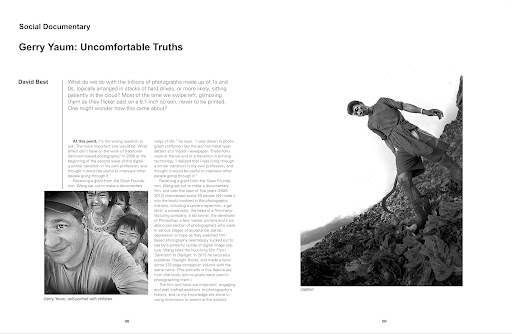
I have received the high res proof PDF from Tomasz T at FRAMES magazine. It looks good. Will not post it until the magazine comes out in early 2026. I think it is edition number 22, February 2026. There will be 7 images and some stories published. We will receive $200 USD for the story. I will use the money to buy food for THE PEOPLE WHO LIVE UNDER THE FREEWAY.
Note* This will be the 4th time the work has been published in a photo mag. It is rather wonderful to have the people in the photographs honoured through publication. I will post a pics and a video of the FRAMES magazine story, when I receive my copy.
 |
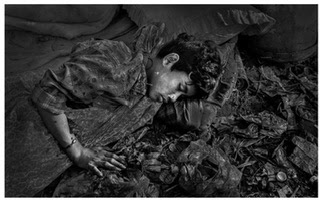
| Dao sleeping, THE PEOPLE WHO LIVE UNDER THE FREEWAY, Khlong Toi Slum, Bangkok, 2025 |
 |
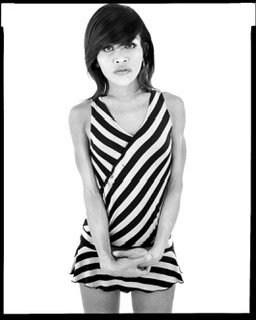
| Self portrait with graffiti, THE PEOPLE WHO LIVE UNDER THE FREEWAY, Khlong Toi Slum, Bangkok, 2025 |
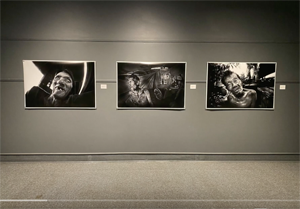
Been thinking on framing for the possible 2008-09 AMBROTOS KANATA exhibition.
How to proceed? Diptych’s? Ambrotype sizes? Types of frames? How many?
Here is a 14x14 inch ambrotype in a hand made pine frame. The black substrate behind the clear glass ambro is only a test 11x14 inch metal plate.
I currently thinking of going with 11x14, 14x14, 20x24 and 24x24 ambrotypes in large hand made wooden frames.


 |
| This diptych frame looks pretty good. |

The gallery is the "Comox Valley Art Gallery", Courtenay, Vancouver Island BC, Canada. It is a smaller gallery but quite nice, a lovely space. The Comox Vallery Art Gallery has had some wonderful, higher end exhibitions in the past few years.
- I will allow for the work to be exhibited, possibly for the first time.
- The exhibition will allow more trips to Vancouver Island to make more and more ambrotypes.
-It will push me to work harder and harder on the project. I will have a space I want to fill with beautiful and powerful work. The exhibition IF it happens would not be until 2028 or 2029.


 |
| The gallery exterior |


 |
| Interior gallery space |
A few quick edits from a snowy day in Edmonton. I miss the people under the freeway now.
 |
| Prem, exhaling meth smoke, THE PEOPLE WHO LIVE UNDER THE FREEWAY, Khlong Toei Slum, Bangkok, Thailand 2025 |
 |
| Dao, doing meth in a tent on the street, THE PEOPLE WHO LIVE UNDER THE FREEWAY, Khlong Toei Slum, Bangkok, Thailand 2025 |
Interesting book but of the day. A Da Vinci exhibition catalog from a German show back in 1998, $10.30 CAD. Will be a fun read.

Sent out the FRAMES magazine submission tonight. That work should be taken care of now. It was a lot of work and took a lot of time.
I think the magazine, issue #22, comes out in February. Will post all of that later of course.
Only 7 images and stories will be published but the magazine is a gem, very beautiful and book like. It is a great opportunity. Thank you editor Tomasz T for letting the stories of the people "Under the Freeway", be told.
The $200 USD earned from FRAMES magazine, will be used to buy food for thee people in the photographs.

Over the last week I have put in many hours doing the final preparation for thee coming FRAMES magazine story. FRAMES wants 7 photos with stories for their mag, they will pay $250 USD. I will use that money to directly help the people in the photographs, through food buys.
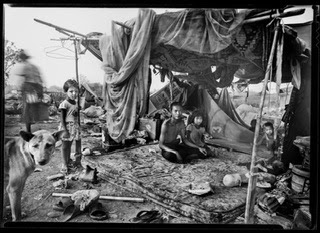
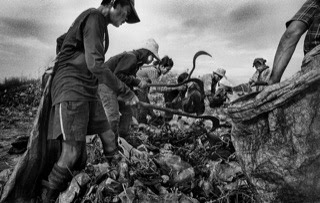
I wanted to show THE PEOPLE WHO LIVE UNDER THE FREEWAY project this time. This will be the 4th time the photo work is being shown in a photography magazine. I did not want to show THE FAMILIES OF THE DUMP this time. The freeway pictures and the lives of the people there have not been given much exposure. A bit in one magazine and several online stories is all that has been seen. I decided to do the "Freeway" series this time and only 2025 work, not the earlier years.
I had trouble editing down so I decided to go with 20 images and let them do the editing at FRAMES. I included harder images and softer (non drug or violence related) images for them to choose from.
I do not care which 7 they choose. The most important thing is getting the peoples stories seen and heard, and receiving the $250 USD to buy food for THE PEOPLE WHO LIVE UNDER THE FREEWAY.
Here are thee photos and stories chosen, things might change a bit before I end them in!
Note* I will of course be using my pseudonym Gerry Yaum for this mag story as per usual. I will have to make sure they put my real name on the check thou :) Or I will not be able to cash it.
Note** I am still working on the higher meg files of the images, trying to get just right. The pics below are just a reference to the stories, which might change as well.