Saturday, October 17, 2026
Friday, October 16, 2026
Thursday, October 15, 2026
Exhausted!!
The days shoot left me exhausted, every thing hurt. I had a hotel shower and a 8 hour sleep in a hotel bed that helped after!!
New UV Meter
Using this UV light measuring tool today for the first time.. It is helping me with exposure. Will keep experimenting with the meter.
The way I used it was to just meter the sunlight that is on the scene. It gave me a sense of what I had. It helped. I did not feel as blind. The Uv number varied from 5.0 to 0.0 during the day. Most times around 2.3-3.5.
If the number changed between plates, I would adjust exposure. Still figuring that out.
13 Hour Historic Shoot at INDIAN BATTLE PARK
Making Ambrotypes at Indian Battle Park, in Lethbridge, Alberta. A beautiful fall day!!
“Ain”t Photography Grand!!


It was a long day. I was getting mottled plates the first hour and a bit, figured out that. It was either the collodion or post flow set time to short.
After that problem was solved, things went well.
I really liked the cleaning vinegar developer today. It really popped the plate fast!! Probably added a bit of contrast.
Monday, October 12, 2026
Many "Fanny" RV Issues
So, am on the last camping trip of the year and Fanny has had her problems! Put a brand new starter in the RV 4 days before leaving Edmonton ($1200). 4 days later, my new starter failed and I was stranded on a high mountain road, with no cellphone coverage. Spent 23 hours stranded, had to do a 15km walk to cellphone coverage to ask for help.
The motor home "Fanny" and the darkroom trailer Freddy" had to be towed 85km back to Calgary, for a new starter ($850) to be installed. The tows would have cost $1500. but I have an AMA membership, so there was no cost. Plus the cost of 2 nights in a hotel in Calgary.
3 days later, I was in Longview, Alberta, it snowed overnight and the furnace in Fanny did not work! I was forced to use the stove burners to add some heat, It was freezing, around -2c outside
So it has been tough, no Ambrotypes made so far!
 |
| Stranded on a mountain top with a brand new broken starter! |
 |
| In the snow with no working furnace |
 |
| My 15km going for help walk! |
Saturday, October 3, 2026

Tuesday, September 29, 2026
Woo Family Story
I have always felt Canadians are extremely fortunate, so many do not appreciate their extreme privilege and luck. Thought I would share a story.
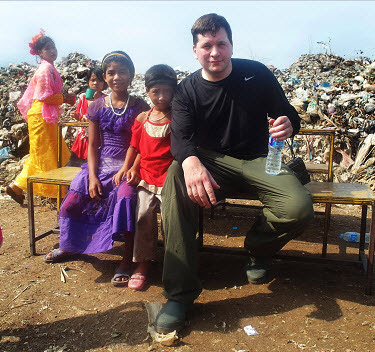
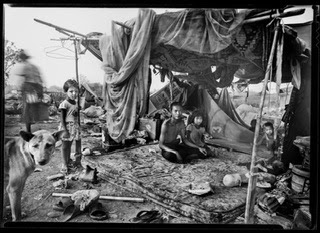
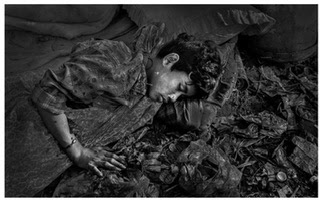
This is the Woo family, Burmese refugees I know in Thailand. I first met them in 2013, they were asleep on the ground, covered in flies. They had recently come to Thailand to live and work in a garbage dump. The dump was a better life for them than the extreme poverty, war, ethnic genocide and dictatorship they had back home.
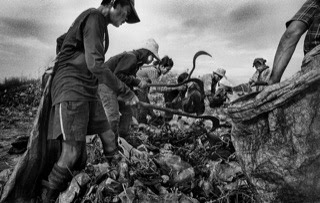
The whole family worked the garbage, scavenging for plastics cardboard and metals to sell. They also dug in the garbage to find food for the family. The photo is from 2017, they had become more prosperous thru hard, filthy and dangerous work. Their life was better in the garbage dump.
In 2021, the family father died, the children now only have their mother. I spent time with them again in 2025, lovely people, we (Canadians) gifted them some headlamps, food and pictures of their lost husband/father.
This family dreams of a better life. Living in Canada would be a godsend to them, a dream of dreams come true.
PLEASE DO NOT UNDERESTIMATE HOW FORTUNATE AND PRIVILEGED YOU ARE TO BE A CANADIAN


24x24 Camera/Ambrotype Learning from Sept 13
Will be TRYING to make 24x24 inch Ambrotypes today. I found a nice quiet area near my home. Will shoot a tree section. It’s a beautiful September day here in Edmonton. Wish me luck, lots to learn st this size. I have around 7 litres of Silver in a tray! The black tray is Silver Nitrate the white tray the Hypo.
Using a 600mm Fuji lens I bought years ago for the first time. Probably around $16000 CAD in camera and lens alone. Expensive shit, all the way around in ULF wet plate.
The Chamonix 24x24 is surprisingly light for its size. I should be able to shoot it into my 70s, now 62.
Followed the advice of you folks, ratchet strapped the camera down in a light wind. Using a relatively light weight Manfratto tripod with geared head.
Today is a day of learning and experimentation!!
Thank you to all of those who have helped me through the years, went from 4x5 to 8x10 to 11x14 to 14x14 to 16x20 to 24x24 (I hope!!). Could not have done it without u good folks
 |
| Freddy and the Beast |

 |
| Fixer tray |

 |
| Staked down camera |

 |
| Silver Tray |
 |
| 600 mm |
Saturday, September 12, 2026
Portraits with Larry
Am making some 11x14 and 14x14 Ambrotypes portraits with my friend Larry. It should be fun!
Update* Had to cancel, Larry was not feeling well and I was having under exposure issues
Test Shooting the 24x24!!!
Will be test shooting the 24x24 inch Chamonix camera at Elk Island National Park on Sunday. It should be quite a challenge, fun, fun, fun!!! I might even get my first 24x/4 inch Ambrotyoe out if it!!!
Friday, September 11, 2026
Fanny RV problems x3
Gosh all of a sudden I had a tone of Fanny RV problems.
- a flat tire last night after I started preparing the TV for the hitch repair appointment today. Called AMA, the guy came to change my tire then even fixed it for free. There was a leaky valve on the tire.
- today drove the RV to the hitch repair, welding shop for a 9am appointment. After I went inside to speak to the boss I came out and the RV would not start. This is the first time in 6 years that that has happened.
After a boost failed. I called AMA again. Their battery guy arrived down and tried 3 or 4 different ways to start it, boosting both batteries. It was not a battery problem.
- The AMA battery guy called for a tow truck for the RV.
- While I was waiting for the tow truck the hitch guy was welding the hitch supports. Then the tow truck driver arrived, had difficulty removing the crankshaft (bolts almost seized..
- Finally Fanny was towed to a repair shop. It is in line to be fixed, which will happen around September 21.
A trying and difficult day. If everything goes right, the motor home will be ready for a long British Columbia Ambrotype making trip, starting around September 25.
Note* I will need to leave Fanny on a public street next to the repair shop for 10 or 11 days. Am quite worried about that. I do not see anyway of avoiding that. Her motor trainer n crank shaft (is that what they call it?) is sitting inside the RV on the floor
Wednesday, September 9, 2026
Ambrotypes Framed with Foilage?
Thinking of combining Ambrotypes and objects found near their shooting location. They would be housed in the same frames.
Multiple Plates Same Time Diptych
When shooting Murillo diptych shots, it might be easier to shoot with 2 holders, the 11x14 and the 14x14, back to back. There should be more flow to the work that way with similar light and exposure.
Note* I might need to buy more holders from Chamonix in China. If I do that, I might ask if deeper holders allowing for 5mm thick plates is possible.
Finished Frames for Ambrotype Exhibition
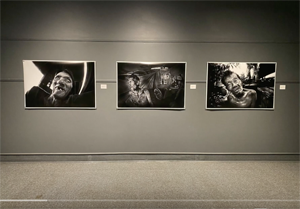
Thinking of doing 5-10 completed Ambrotype works that are framed (handmade frames) for exhibition. I need to see what the final/finished works look like. I can also video and photograph these completed pieces for exhibition!!
I NEED TO GET THE AMBROTYPE PROJECT, AMBROTOS KANATA, EXHIBITED!!!
Tuesday, September 8, 2026
Got Lucky with Wet Plate
When I started out on my wet plate journey 10 years or so ago, I knew nothing, yet I dived in head first.
Got me a darkroom trailer for $8000 a RV to travel in for the project for $38000. Probably $40000 in lens and cameras. As well as countless older things and tools.
I was not 100% sure I would like wet plate and the final result of what a finished Ambrotype looks like but I ended up loving them as well as the process! The more I do, the more I want to do! The bigger plate I create, the bigger I want to go. Even 35x35 seems very doable.
I GOT DAM LUCKY WITH ALL THIS!!! Imagine after all that expense, effort and time, I hated Ambros. I coukd have hated everything, that could have happened.
Lucky, Lucky, Gerry!
Dust on Varnished Plates!
I have been getting very small dust like particles on my plates after varnishing. Not sure what the deal is. Today I tried covering my varnished during plates with a plastic box. We shall see if this helps!
Monday, September 7, 2026
Honeyed Plates
The honeyed plates from yesterday. I put honey on the plates to keep them moist for transport. They each get their own traveling tray. They look extra golden as a result

.jpeg)


.jpeg)


Setup up and Shooting at Nordegg Graveyard
I am setup and shooting Ambrotypes at the Nordegg, Alberta, graveyard again. Came with the truck this time, as there is a hitch issue with the motorhome that needs repairing.


Running Water While Driving Trailer!
So, I went into the trailer to get some alcohol part way through my trip to Nordegg graveyard. I opened the door to find thee pump running! What? Why?
Turns out I had forgot to turn off the pump button but that should not have been too much of as problem. What happened was that during my drive, things had shifted in the trailer. One of those shifts had caused something to hit the faucet valve leaver handle, turning on the water. The water then ran until it trained the entire tank (25 galllons) and filled up my sewage tank to the max, while also washing the floor pretty well.
Luckily I found out about the problem early, preventing the pump from burning out, because I went into the trailer to get some alcohol to clean my used books with (too wash off sticky price tag residue).
I then went to the Rocky Mountain House camping dump station to dump my sewage and refill my water tank.
After this I will make sure to always shut off my pump before traveling. Lesson learned!
Friday, September 4, 2026
Lots of Garbage Waste
My black house garb as he bin are filling up with house window panel waste and broken glass pieces. I had to spread some of it out to my sister’s bin.
I have a bit of industrial level waste work going on right now! Starting to work in an Ambrotype making factory!
Cutting Window Glass is Difficult
Spent the last few days cutting up a bunch of the old aluminum house window frames I bought for $30.
Separating the glass from the aluminum edge frame material is quite difficult without breakage. Some of the glass is only 2mm thick. If you look at it the wrong way and it breaks. If it is a tiny bit thicker it becomes easier but the 2mm stuff is a nightmare!!!!
I have had several large beautiful pieces break in my hand simply by holding the glass. It is very frustrating to almost get usable glass for Ambrotypes or to make black backing substrate material, only to have it break!
I am doing my best to save money and get usable glass this way but it is testing patience and hopefully expanding it. Need to remain calm when doing this type work. Even though at times you want to flog the stuff in frustration.
More Black Substrate Needed!
I have maybe 20 Ambrotyoe plates completed to the varnished stage but no black substrates (painted 2mm glass). Need to find more sources for that, or buy some.
My output of successful plates has improved this season, so need to do the final tape up for presentation as well!
A Night of Washing Hell!
Was up all night and into the late morning washing plates. Of all the jobs I do in the wet plate process, washing plates is probably the most the most tedious and boring.
I usually go through 1 bottle of liquids (1/3 bio ethanol, 2/3 distilled water) during a washing session. Yesterday I went through 3!!
Not sure how many 11x14 and 14x14 plates I washed, more than 49, maybe 50-60. I had more glass than I thought!!
NOTE* I also taped and did the final work on 3-11x14s and 1-14x14.
VIDEOS: New Plates
Been playing with thicker glass of late. These two are on some free glass I got and cut to size. Thicker glass creates a greater feeling of 3D depth.
From the AMBROTOS KANATA project.
Gerry Collodion, Whirte Vinegar and Pickling Vinegar development. 11x14 clear glass. Hypo fix with honey used for transport to a washing water source.
Going to try some 20x24 and 24x24 inch plates this Sunday.Time to move up in class
PLATES: Jasper Park Tree, Nordegg Graveyard, Alberta, Canada\


Wednesday, September 2, 2026
Disaster in the Darkroom Trailer
Lost all my Silver Nitrate from my Acrylic Tank. It leaked and I lost about 4-5 litres of the solution. I have travelled with it loaded in the tank for several years now, with no issues. This time it leaked from the tank, through the 5 inch foam surrounding the tank and through the hard tack box I used to project the tank during travel.
Bloody awful, hundreds of dollars in silver lost! $500? $800?, who knows. So f-cking depressing.
Spent the night cleaning up the mess as best I could. I cannot transport the silver that way. It will need to be stored in lab bottles, in the special foam cooler I made up. This will require more time and effort, each time I shoot. I will have to unload the silver solution from the bottles, and then put it back again each time.
I have lost faith with silver nitrate tanks, at least the larger ones. This i]is the second time I have had a leak. I might try doing my silver work in trays from now on.
Note* I made up a fresh 5 litre bottle of Silver Nitrate solution afterwards, to replace the lost one. I have about 16 litres of thee stuff.
The Victoria Camera Club TALK INFO
The Victoria Camera Club asked for more info, for the coming talk I will do for them via ZOOM (a PowerPoint Presentation).
Wrote this up for them and sent them a bunch of pics from the 2 projects and some selfies.
Hey M... A... and R..., here is what you wanted.
THE TALK WILL BE 7- 9PM VICTORIA TIME ON JANUARY 14, CORRECT? We will use ZOOM, allowing me to show my POWERPOINT PRESENTATION.

TALK INFORMATION
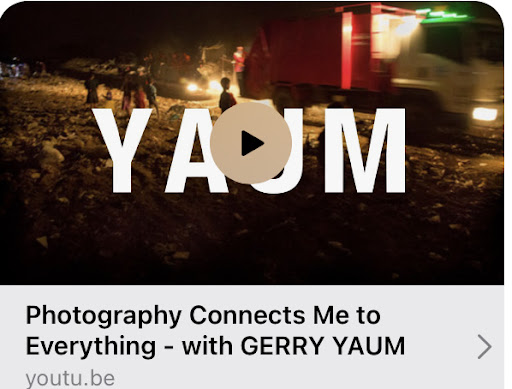
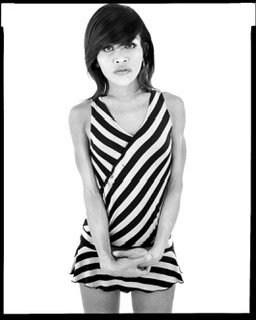
The two projects in the talk are, THE PEOPLE WHO LIVE UNDER THE FREEWAY and THE FAMILIES OF THE DUMP.
THE PEOPLE WHO LIVE UNDER THE FREEWAY deals with the lives of Thais living in the notorious Khlong Toei slum, in Bangkok, Thailand. THE FAMILIES OF THE DUMP tells the stories of Burmese refugee families living and working in the Mae Sot, Thailand garbage dump. I have been working on both projects for over a decade.
A very important element of the talk and the MAIN THEME, is how photography can be used as a FORCE FOR GOOD IN THE WORLD. We (donators and myself) do both photography and donation work both under freeway and in the dump. We have raised thousands of dollars to help those in need. The photographic work has had a positive effect on the lives of the subjects.
The talk contains photos (film and digi imagery) of the people, details the donation work done, and contains many first hand personal stories and memories.
BIO
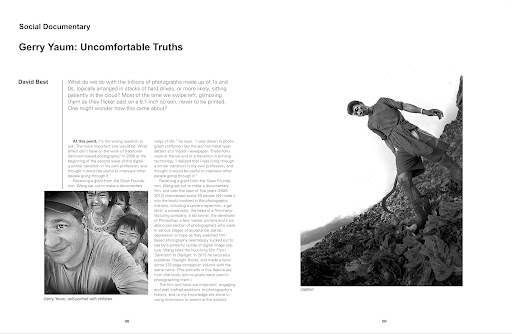
Self taught social documentary photographer. Worked 31 years as a nighttime security guard in Edmonton. The name YAUM is a pseudonym, Yaum in Thai means "Security Guard". I prefer to let the photos be about my subjects, not myself.
Attached are some photos from the talk and a couple of headshots.


Thanks Gerry
PS...if there is anything else you need, please ask.


 |
| THE FAMILIES OF THE DUMP |


 |
| THE PEOPLE WHO LIVE UNDER THE FREEWAY |

 |
| Silly Me |
Subscribe to:
Posts (Atom)